Charting the right course to efficiency in the marine industry

British Fluid Power Association recently published an article which collates testimonies from a number of BFPA member companies spokespeople, including Paul Prouse from Rotec Hydraulic Ltd. They consider some of the challenges associated with the effective use and maintenance of fluid power systems and related equipment within the marine sector.

One of the most challenging industry sectors for engineering sciences has to be marine, where technology must be designed and built to withstand the demanding conditions associated with the open seas. Therefore, within the fluid power and related systems and equipment industry, providers to the marine sector need to ensure their products are designed and built to be 100% fit for purpose.

Arguably the most glamorous market segment within the marine industry is superyachts. As many superyachts are based in warmer climes, such as the Mediterranean, the Caribbean or Dubai, the operation and maintenance of electro-hydraulic systems should be performed with equipment that can function effectively in very high temperatures.

Concept to design

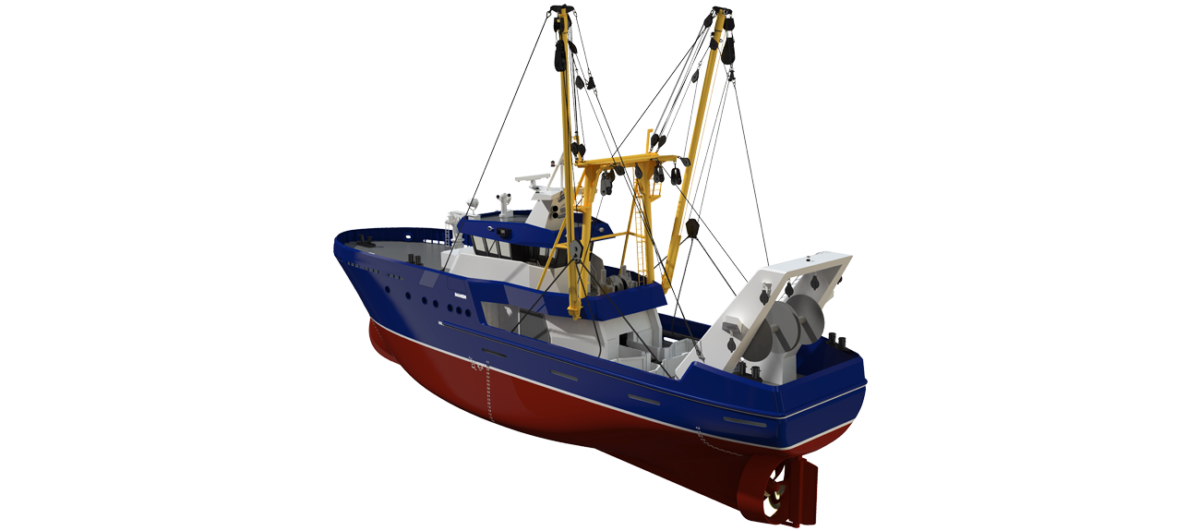
Rotec Hydraulics Limited covers both commercial and pleasure applications. Rotec provides service and installation facilities to local and national fishing fleets, as well as operating systems for fuel, fire and hydraulic services fitted to luxury yachts.

Integrated systems

Integrated systems are the present and the future within the marine sector, according to Paul Prouse, Managing Director at RotecHydraulics Ltd. He maintains that the first challenge to providing the right system is obtaining a suitably detailed specification from customers of what kind of solution they are require for their specific system requirements and then matching these requirements to a practical solution that best suits the customer and the application. “There are now so many options electro-hydraulic/pneumatic products on the market which are constantly evolving,” said Prouse. “As the customer does not always know what is available it is up to us as design engineers to keep up to date with new products on the market and where they could be integrated if suitable.”

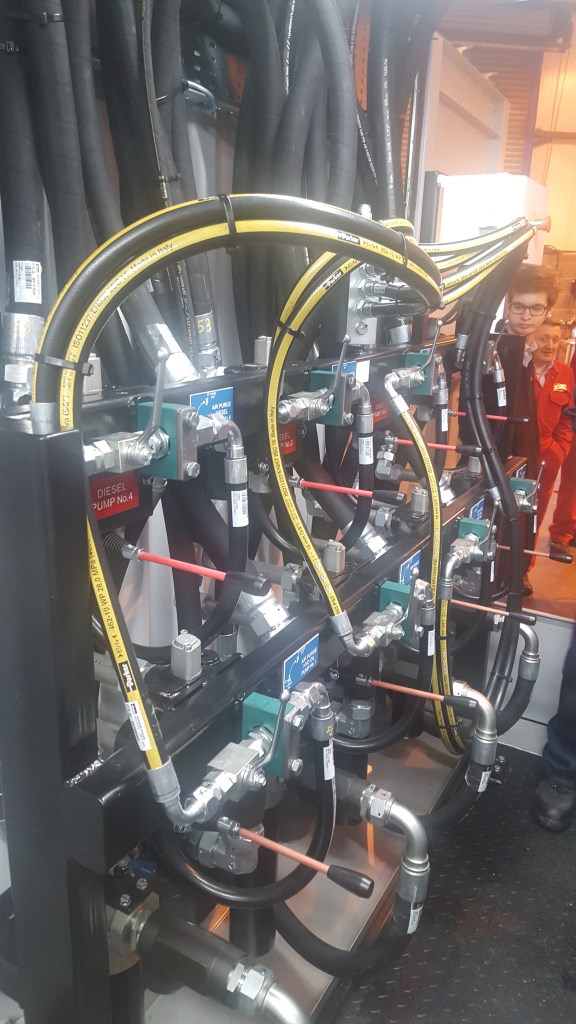
Prouse makes the point that an electro-hydraulic system that Rotec could fit on a superyacht would have to be compact, low maintenance and aesthetically pleasing whereas the same system fitted to a fishing boat would be rugged, industrial, easily maintainable and more cost sensitive. He adds that electro-hydraulics now offers a multitude of options that Rotec can then transpose to customers to give them system information, compact hydraulic systems, control interfaces and safety functionality.

Within the bespoke luxury yacht market, Paul Prouse makes the point that time from concept to design based on the budget can be difficult to predict as there can be many factors that increase design time over the original estimation. “Customers may have been working for much longer periods (months or years) on their design concept requirements, and when it comes to our part, timescales are often short in relation to the overall project timescales,” he said. “What could be classed as R&D work for bespoke projects is not always thought about or included in project costings and timescales, which adds pressure on designers to get it perfect first time.”

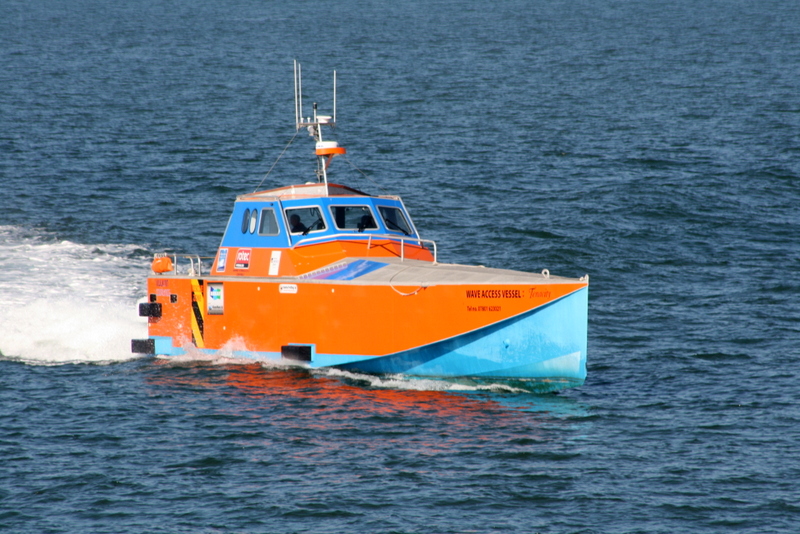
Rotec’s recent collaboration on the WaveAccess project was another example of a successful application of the use of hydraulics in a testing marine environment.

“Electronic control systems incorporating electronic valve control, electro-proportional valve control and actuator positioning feedback gives us a platform from where we can now control hydraulic actuators from a remote location without the need to be near to the hydraulic components,” he said.

Read more about the WaveAccess project: https://www.rotec.net/rotec-help-develop-groundbreaking-vessel-waveaccess/

The full BFPA article, including testimonials from other hydraulic companies available at:

https://bfpa.co.uk/news/charting-the-right-course-to-efficiency-in-the-marine-industry/

Author: Sarah Gardner, BFPA

One week of work experience at Rotec

Last month, we were pleased to team up with the Kingsmead School in Wiveliscombe, Somerset, to provide a work experience for one of their pupils: Harry Alcock. Harry joined our Taunton Depot for a week, to experience first-hand how Rotec operates. Under the direction of Matt Turnbull, Rotec’s purchasing manager, Harry spent time working in the Stores, Warehouse, Electrical Bay and the office learning about Mechanical Design and Website build.

Harry was in for a Health and Safety briefing on Monday morning, before spending the afternoon with our Stores Manager, where he learned the general operational principles such as booking in/out, packing and picking. The next day, Harry was actively involved in the Stores day to day activities discussed the previous day and assisted with assembling a crate for one of Rotec’s marine customers.

On Wednesday, Harry joined the marketing department where he was introduced to website building using the popular online platform Wix. Harry chose to create a website focused on supercars and spent the day with Rotec’s marketing executive creating a working site using best marketing practices. The website Harry created is available on: https://harrysalcock03.wixsite.com/harryssupercars

Thursday morning was spent in the warehouse hose assembly with our team of engineers, wrapping hoses for our utilities customer.

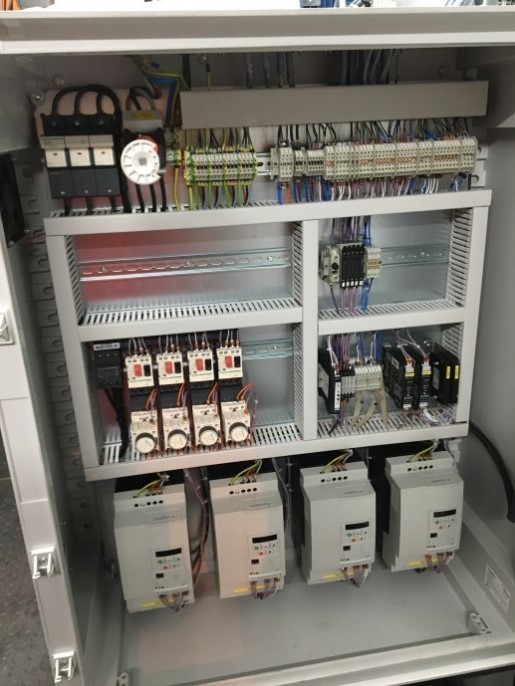
Harry then joined our electrical engineering team, in the electrical bay, learning about safe working practises and some hands on electrical work.

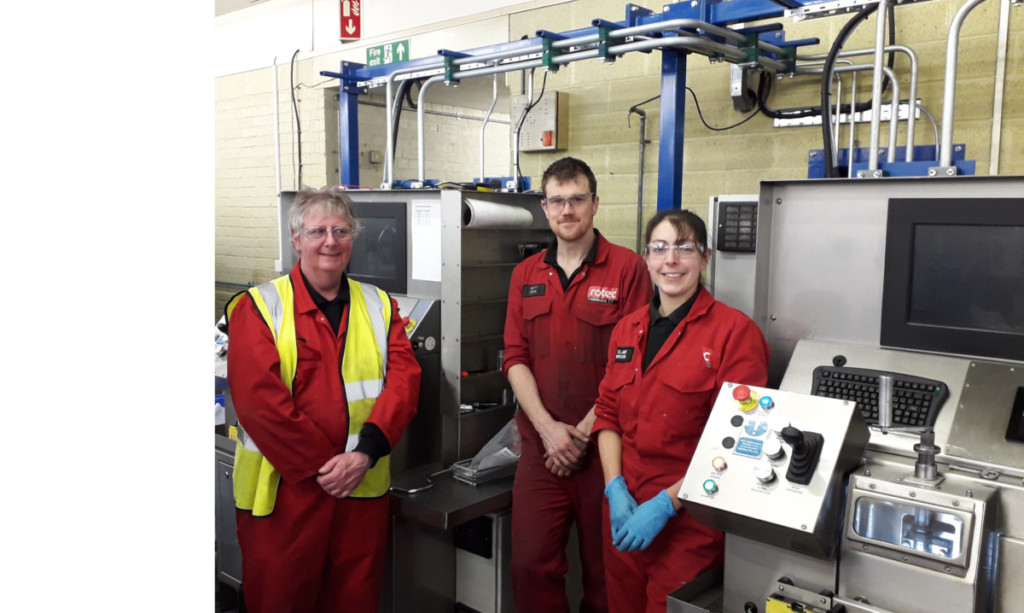
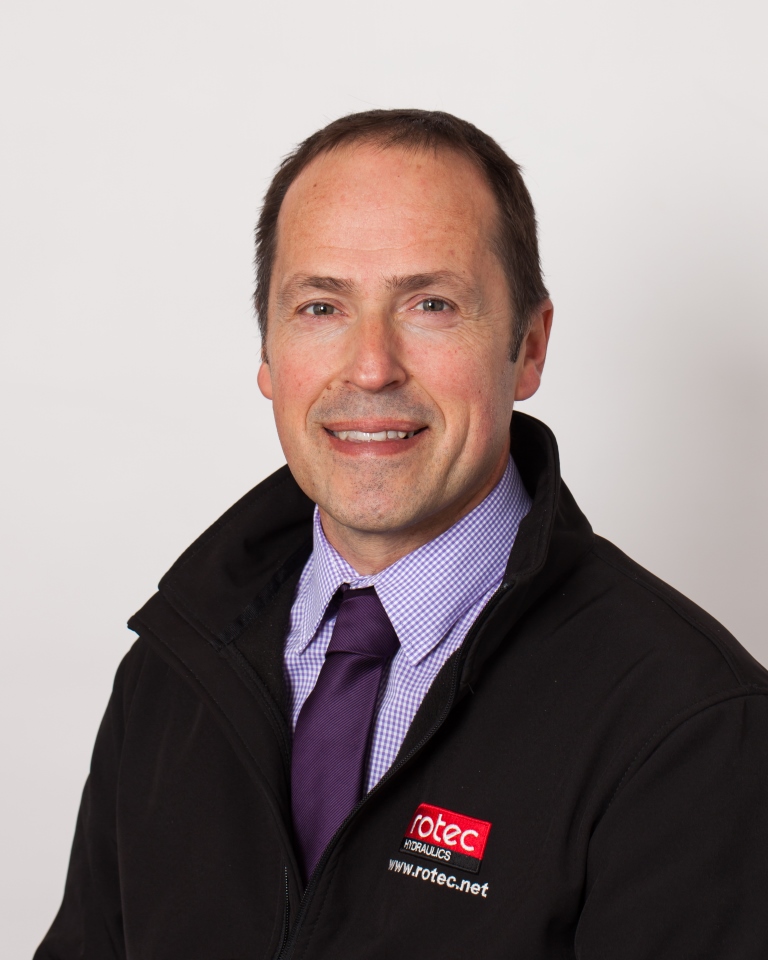
On Friday morning, Harry was back in the office, working under the guidance of Rotec’s engineering director (pictured), who taught Harry about CAD design, before moving onto assisting the stores and the warehouse in the afternoon, with their usual Friday housekeeping tasks.

Matt, who supervised and supported Harry through-out his working experience, was impressed at Harry’s work ethic, at his ability to follow instructions and his positive attitude. We would gladly welcome Harry back anytime and we look forward to the next time we are able to support the local schools with their work placements.


Author: Sarka Humpolcova

Date: 2/08/2018


Rotec at Seawork marine exhibition 2018

Rotec was excited to be part of this year’s marine exhibition in Southampton, an event we have been returning to for over 10 years.

We shared our stand with our sister company – Ram Reman, the specialist in hydraulic cylinders who compliments Rotec’s core capabilities in the design, build, installation and maintenance of hydraulic, pneumatic and electronic systems.

This year Rotec decided to champion Parker Racor filtration products, offering 30% discount in honour of the event. Rotec and Parker have a long history of close partnership, with Rotec recently becoming the only Parker HTC (Hydraulic Technical Centre) in the South of UK. Stand Visitors could look forward to a game of ‘Can you guess where these Racor filtration elements are on our ship?’ with the chance to win small prizes, using a Parker IQAN unit incorporated into a lit up boat unit.

As always, we had a great time and we look forward to the next year!

Author: Sarka Humpolcova

Date: 15/07/2018


Restoring a submersible at Aerospace Bristol

Last year Rotec were approached by the Bristol Aero Collection Trust, the registered charity behind Aerospace Bristol – a new £19m museum on the historic Filton airfield. The museum tells the story of more than a century of aviation history, from the Boxkite to the modern day, with the last Concorde ever to fly as Aerospace Bristol’s stunning centrepiece. The restoration work at the museum has been undertaken almost entirely by volunteers with technical expertise.

Rotec were contracted to help restore the CONSUB back to life after almost 60 years since it first hit water. The Continental Shelf Submersible or CONSUB is an unmanned submersible developed in the 1970 by BAC Electronic Systems Group at Filton. The remotely controlled seabed exploration vehicle was designed to operate to a depth of 2000ft., at an underwater speed of 2 1/3 knots, controlled with 1km of umbilical cable.

Harry Crick, one of the BACT volunteers explains:

“Tests were carried out in tracking underwater telephone cables and inspection of seabed features. In 1977, Consub 2 (built by British Aerospace and operated by SubSea Surveys) went into operation in the North Sea working on pipeline inspection and seabed survey. Day rates were half those of the manned submersible spread and eventually, 24h operations were achieved. This resulted in the large ROV becoming the accepted method for pipeline inspection.”

However the last surviving specimen, the CONSUB 1, was not in a working condition. It was donated by the British Geological Survey who previously used it as a display in their car park in Edinburgh.

The renovation and overhaul of Consub was carried out by Bristol volunteers at the museum.
Rotec was tasked with the design, build and supply a hydraulic power unit & electrical control system, that could be used to control the original thrusters and drill head, allowing the museum staff to demonstrate the system functionality. In order to preserve the original condition and appearance of the submersible, the original power unit was left fitted (even though it is not functional) and some of the original solid pipework routes were replicated and utilised using new tube and fittings.
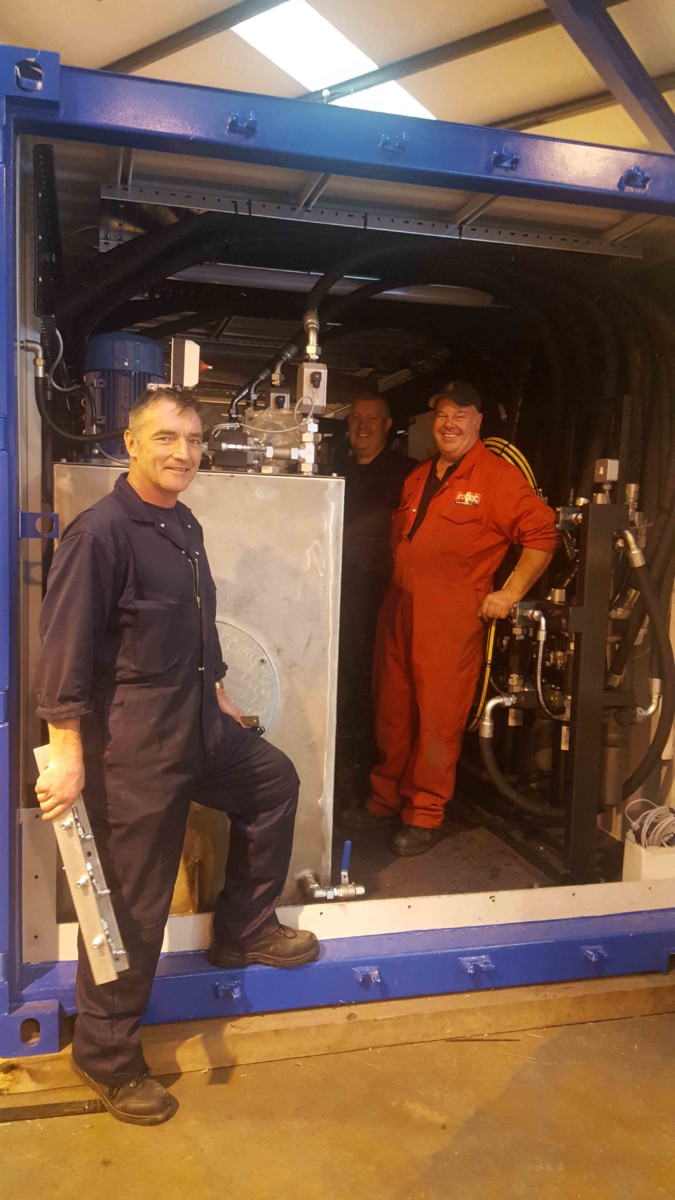
Rotec built a brand hydraulic power unit which is concealed with in the exhibits structure, which will allow the CONSUB to be controlled through a control panel designed and build by Rotec, instead of through the original umbilical cords.


Visit Aerospace Bristol for more information, to help raise funds, book a meeting or a conference ‘Under the wings of Concorde’ or to volunteer at this exceptional new venue.

Date: 21/09/2017

Author: Sarka Humpolcova

Extreme lifting: Using Rotec winching systems at 500 ft

At the beginning of 2016, we started to work with National Grid, contracted to support the company’s hydraulic, pneumatic and electronic needs alongside the primary project (bespoke winching systems for their fleet of vehicles), and we didn’t have to wait long for a challenging project to come through.

Tower Leg Winches

The company was planning a maintenance project in and around of Chepstow, involving the lowering and raising of insulators on the two 500ft high river crossing towers spanning the river Severn, which form part of the national grid and the 21,000 towers owned by the company in the UK.

Chris Land, National Grid’s Equipment and Live Working Overhead Line Engineer supervising the project relates:

“This project has been challenging from the start, not only because of the height of the towers but also because the tower loadings and fittings on these towers are totally unique compared to the rest of the towers on the transmission network. The insulators were last changed in 1969 and we have very limited experience of working on these towers, we have been working from 50 year old drawings and information to develop the procedures necessary to carry out the replacement of the insulators. The primary focus has been to maintain a safe working environment for the linesman carrying out the work to enable the work to be delivered safely and within the timescales. The work was delivered well within the allotted timescales with zero incidents”


lowering old insulators

Lowering old insulators

swapping old for new

Swapping old for new

New insulators lifted into position

New insulators lifted into position


Preparations for this project have taken over 6 months, with 6 weeks given to the crew to complete the work on the two 500 ft high towers. Rotec was asked to design and build a bespoke Tower Leg Capstan Winch Assembly for the project, capable of lowering and raising the heavy insulators on a system of ropes.

The assembly consists of three main components: capstan winch, engine drive unit and a reservoir unit. Adrian Derbidge, Rotec’s engineer assigned to the project says “This is a powerful unit, with a safe working limit of up to 1 ton on a dynamic line pull”. Adrian has seen the project through from the start, starting with the design and build, all the way to the site visits, maintaining his presence in case of any adjustments being necessary. He says the challenges in this project were in keeping the units as light as possible and compact, while retaining their ability to tackle heavy loads.

Click below to watch the National Grid engineers work at dizzying heights as shown on the news:

NationalGrid_BBC1West_28.03.2017_22.39


Date: 27/04/2017

Author: Sarka Humpolcova