Restoring a submersible at Aerospace Bristol

Last year Rotec were approached by the Bristol Aero Collection Trust, the registered charity behind Aerospace Bristol – a new £19m museum on the historic Filton airfield. The museum tells the story of more than a century of aviation history, from the Boxkite to the modern day, with the last Concorde ever to fly as Aerospace Bristol’s stunning centrepiece. The restoration work at the museum has been undertaken almost entirely by volunteers with technical expertise.
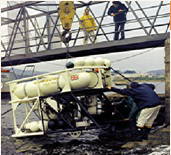
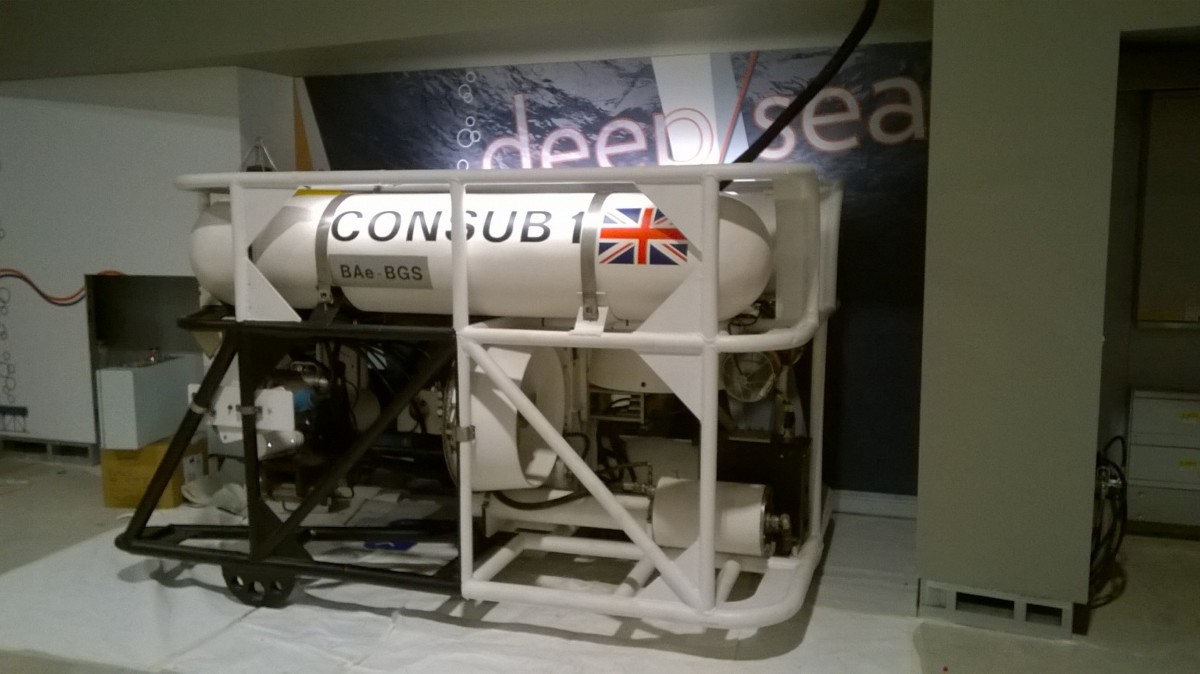
Rotec were contracted to help restore the CONSUB back to life after almost 60 years since it first hit water. The Continental Shelf Submersible or CONSUB is an unmanned submersible developed in the 1970 by BAC Electronic Systems Group at Filton. The remotely controlled seabed exploration vehicle was designed to operate to a depth of 2000ft., at an underwater speed of 2 1/3 knots, controlled with 1km of umbilical cable.

Harry Crick, one of the BACT volunteers explains:

“Tests were carried out in tracking underwater telephone cables and inspection of seabed features. In 1977, Consub 2 (built by British Aerospace and operated by SubSea Surveys) went into operation in the North Sea working on pipeline inspection and seabed survey. Day rates were half those of the manned submersible spread and eventually, 24h operations were achieved. This resulted in the large ROV becoming the accepted method for pipeline inspection.”
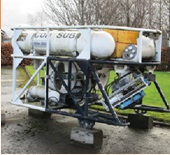
However the last surviving specimen, the CONSUB 1, was not in a working condition. It was donated by the British Geological Survey who previously used it as a display in their car park in Edinburgh.

The renovation and overhaul of Consub was carried out by Bristol volunteers at the museum.
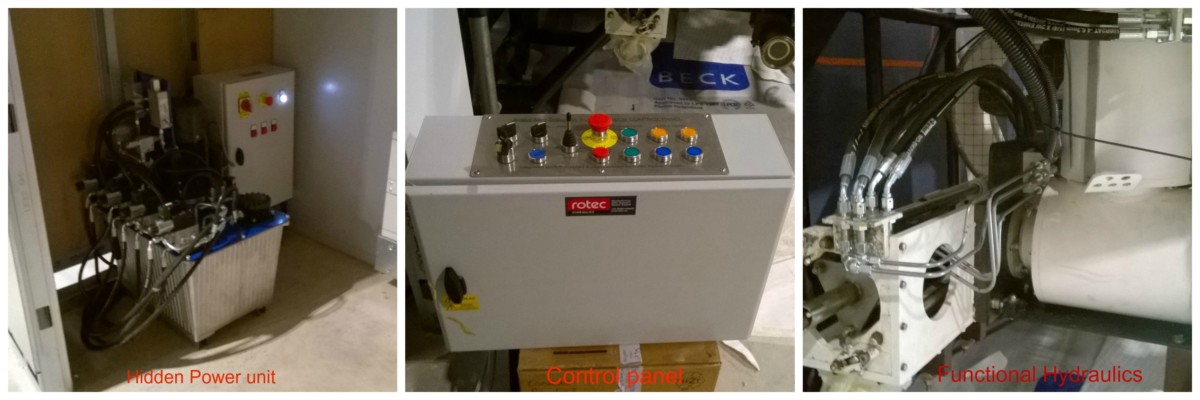
Rotec was tasked with the design, build and supply a hydraulic power unit & electrical control system, that could be used to control the original thrusters and drill head, allowing the museum staff to demonstrate the system functionality. In order to preserve the original condition and appearance of the submersible, the original power unit was left fitted (even though it is not functional) and some of the original solid pipework routes were replicated and utilised using new tube and fittings.
Rotec built a brand hydraulic power unit which is concealed with in the exhibits structure, which will allow the CONSUB to be controlled through a control panel designed and build by Rotec, instead of through the original umbilical cords.
 

Visit Aerospace Bristol for more information, to help raise funds, book a meeting or a conference ‘Under the wings of Concorde’ or to volunteer at this exceptional new venue.

Date: 21/09/2017

Author: Sarka Humpolcova
Extreme lifting: Using Rotec winching systems at 500 ft

At the beginning of 2016, we started to work with National Grid, contracted to support the company’s hydraulic, pneumatic and electronic needs alongside the primary project (bespoke winching systems for their fleet of vehicles), and we didn’t have to wait long for a challenging project to come through.

Tower Leg Winches

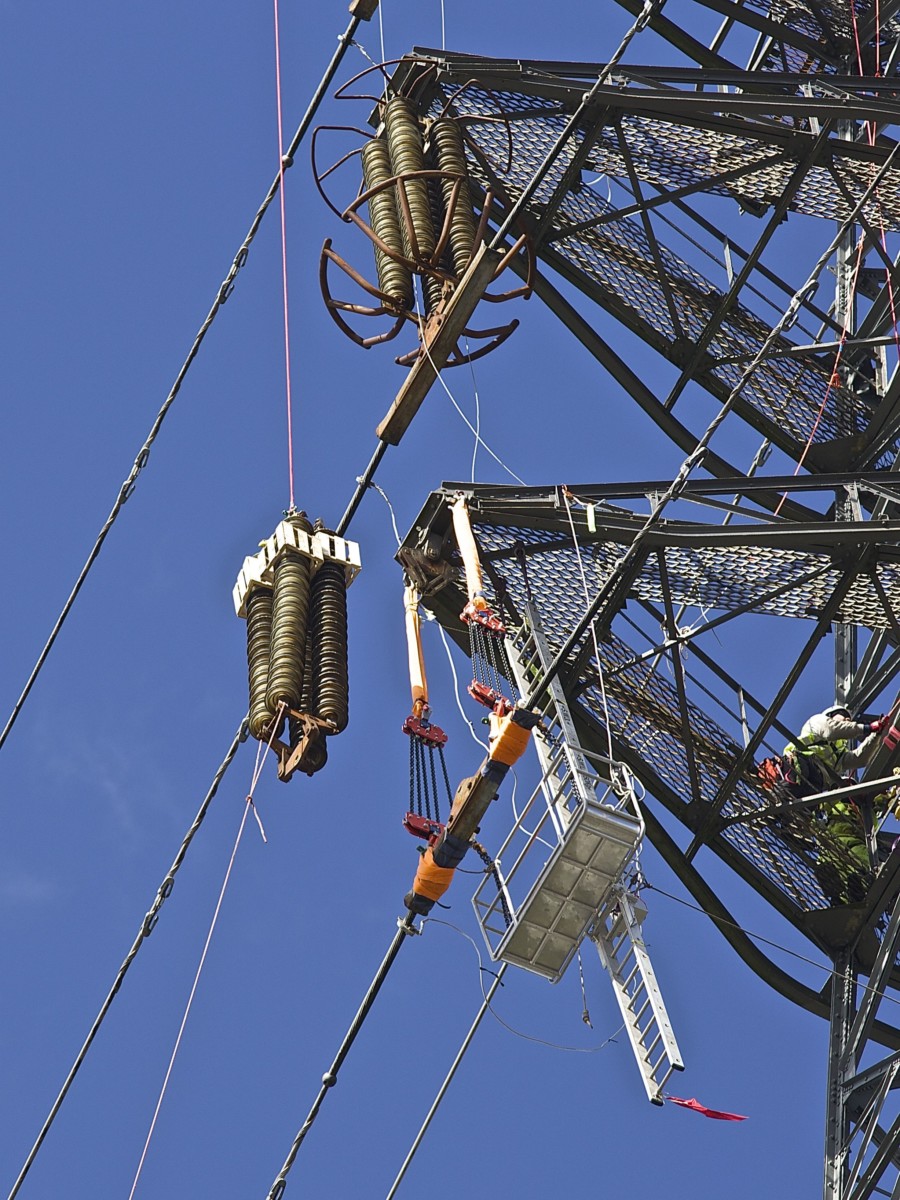
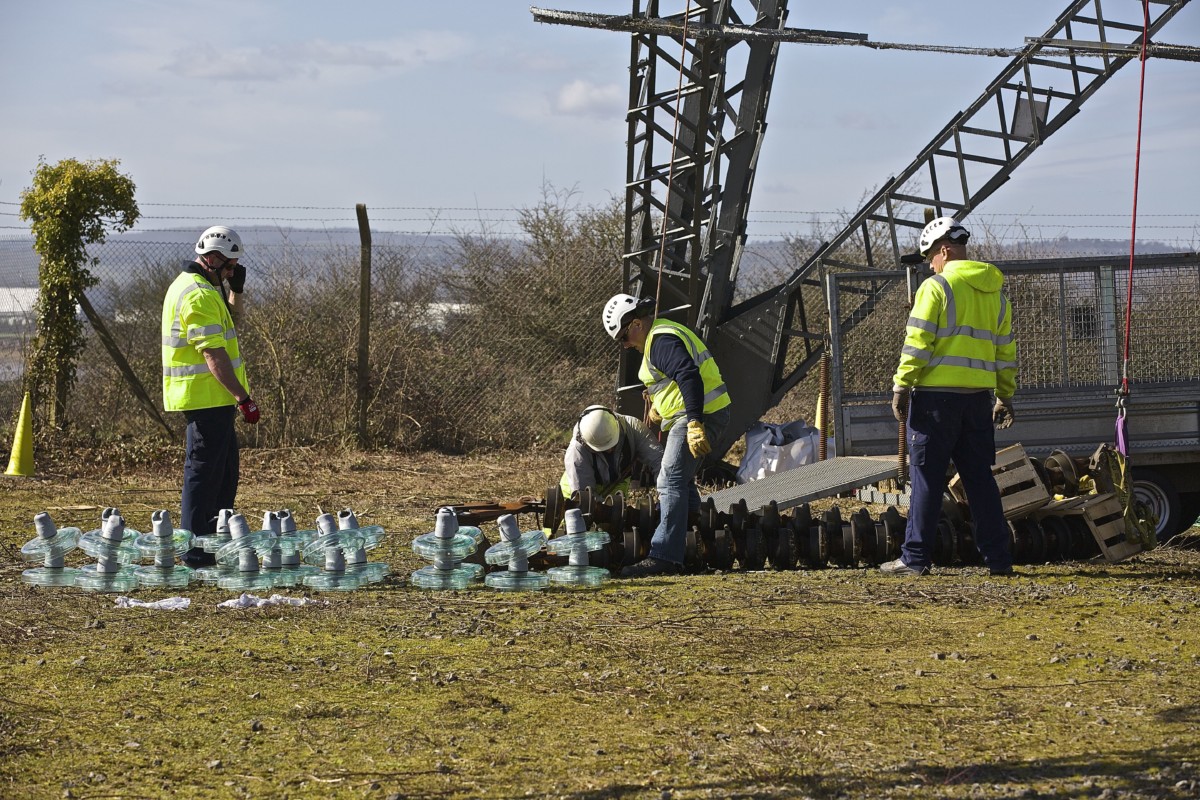
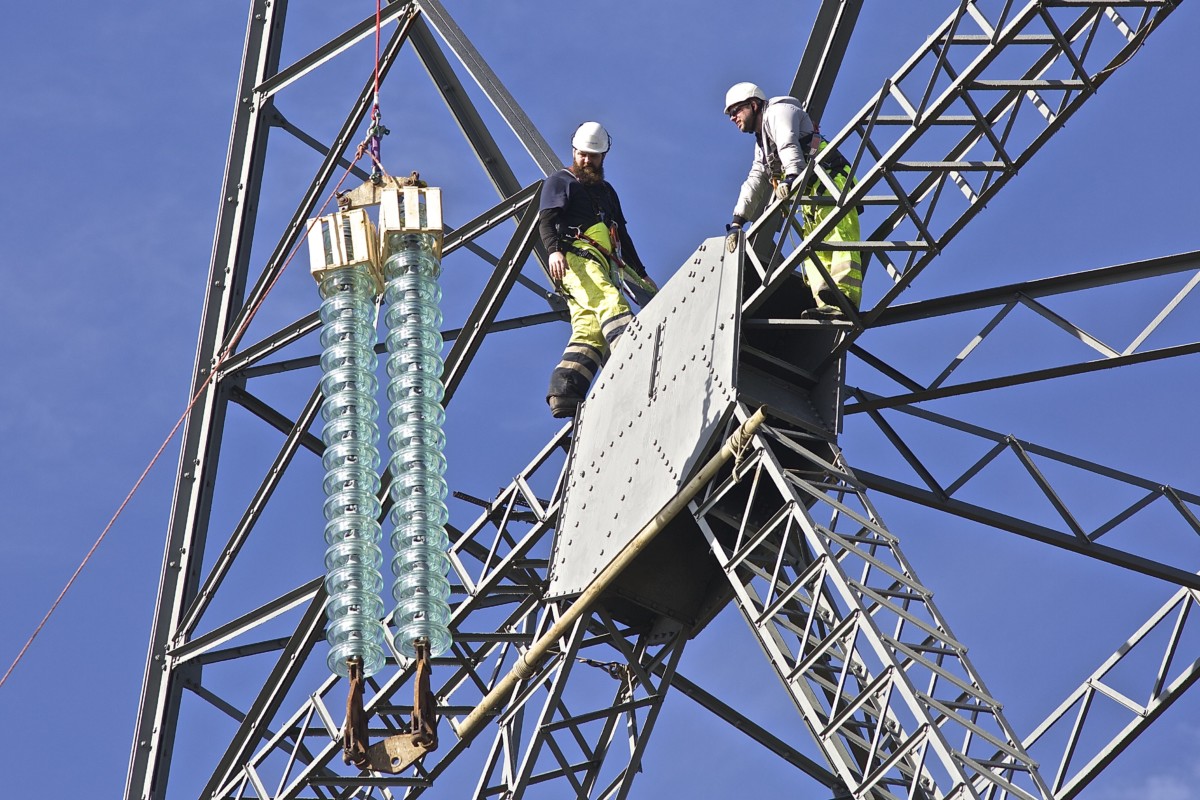
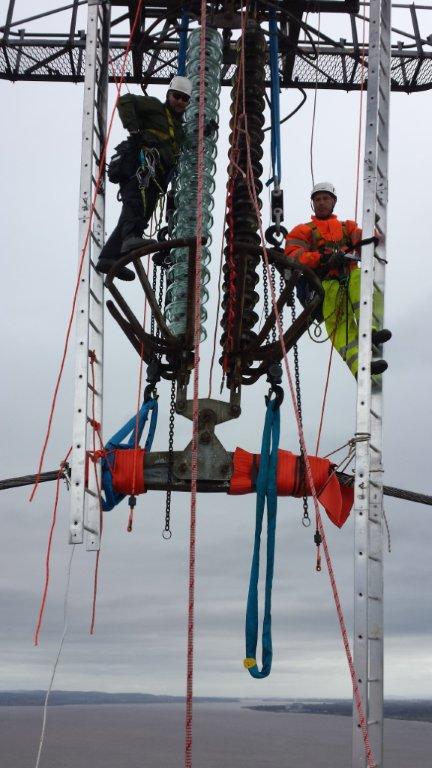
The company was planning a maintenance project in and around of Chepstow, involving the lowering and raising of insulators on the two 500ft high river crossing towers spanning the river Severn, which form part of the national grid and the 21,000 towers owned by the company in the UK.

Chris Land, National Grid’s Equipment and Live Working Overhead Line Engineer supervising the project relates:

“This project has been challenging from the start, not only because of the height of the towers but also because the tower loadings and fittings on these towers are totally unique compared to the rest of the towers on the transmission network. The insulators were last changed in 1969 and we have very limited experience of working on these towers, we have been working from 50 year old drawings and information to develop the procedures necessary to carry out the replacement of the insulators. The primary focus has been to maintain a safe working environment for the linesman carrying out the work to enable the work to be delivered safely and within the timescales. The work was delivered well within the allotted timescales with zero incidents”


lowering old insulators

Lowering old insulators

swapping old for new

Swapping old for new

New insulators lifted into position

New insulators lifted into position


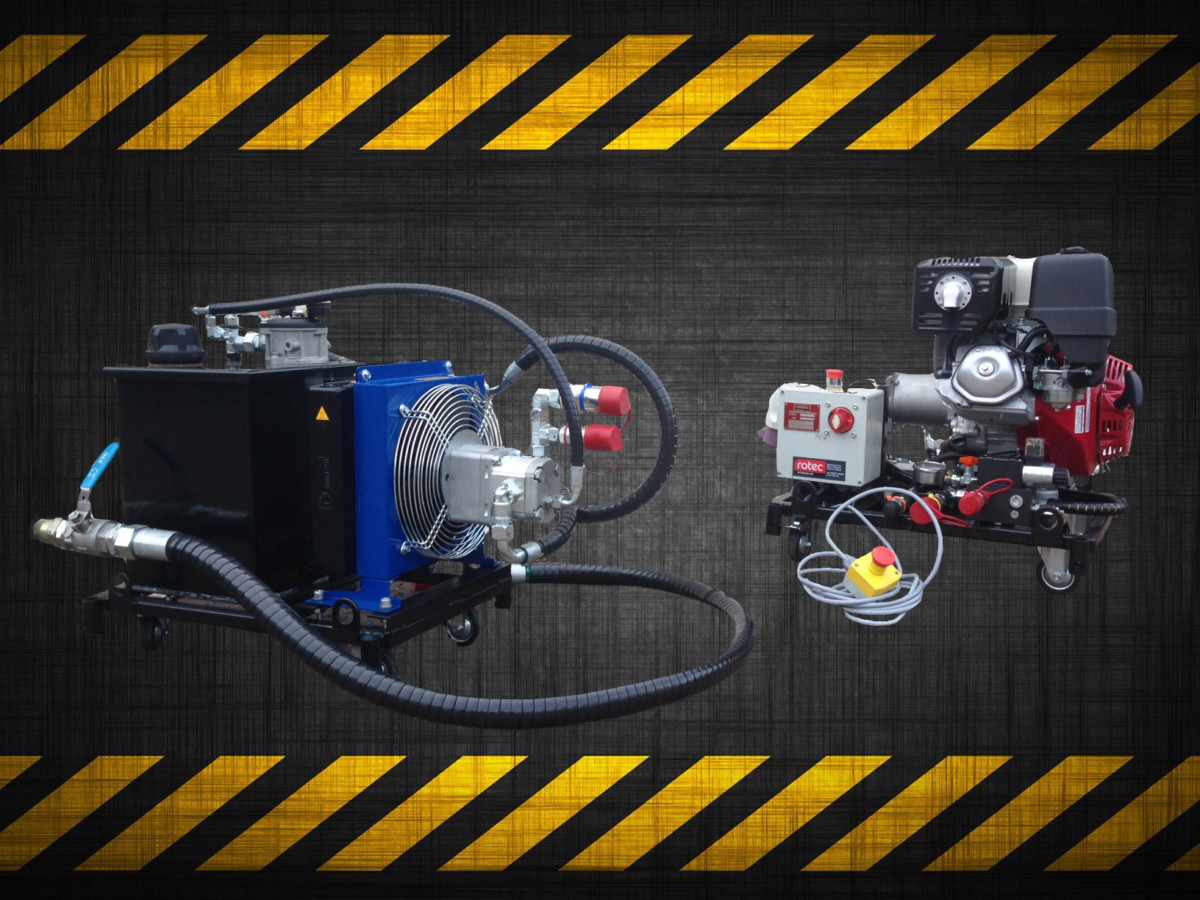
Preparations for this project have taken over 6 months, with 6 weeks given to the crew to complete the work on the two 500 ft high towers. Rotec was asked to design and build a bespoke Tower Leg Capstan Winch Assembly for the project, capable of lowering and raising the heavy insulators on a system of ropes.

The assembly consists of three main components: capstan winch, engine drive unit and a reservoir unit. Adrian Derbidge, Rotec’s engineer assigned to the project says “This is a powerful unit, with a safe working limit of up to 1 ton on a dynamic line pull”. Adrian has seen the project through from the start, starting with the design and build, all the way to the site visits, maintaining his presence in case of any adjustments being necessary. He says the challenges in this project were in keeping the units as light as possible and compact, while retaining their ability to tackle heavy loads.

Click below to watch the National Grid engineers work at dizzying heights as shown on the news:

NationalGrid_BBC1West_28.03.2017_22.39


Date: 27/04/2017

Author: Sarka Humpolcova
Networking at Leonardo factory: in the shade of the AW159 Wildcat

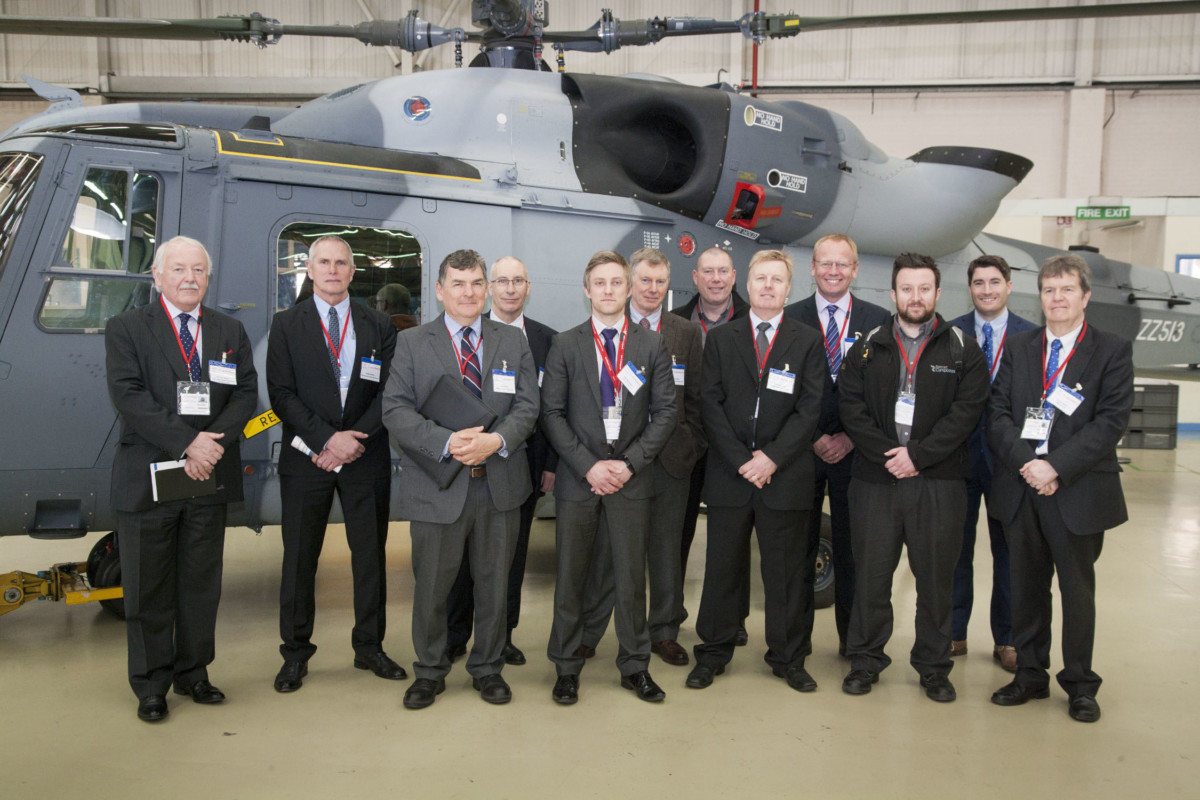
Richard Lang, our Sales Director was recently invited to attend an event organised by WEAF (West Of England Aerospace Forum). It was a great networking opportunity to catch up with old friends and meet new people from the industry, as well as see part of the Leonardo factory, there even was the spectacular AW159 Wildcat on show!

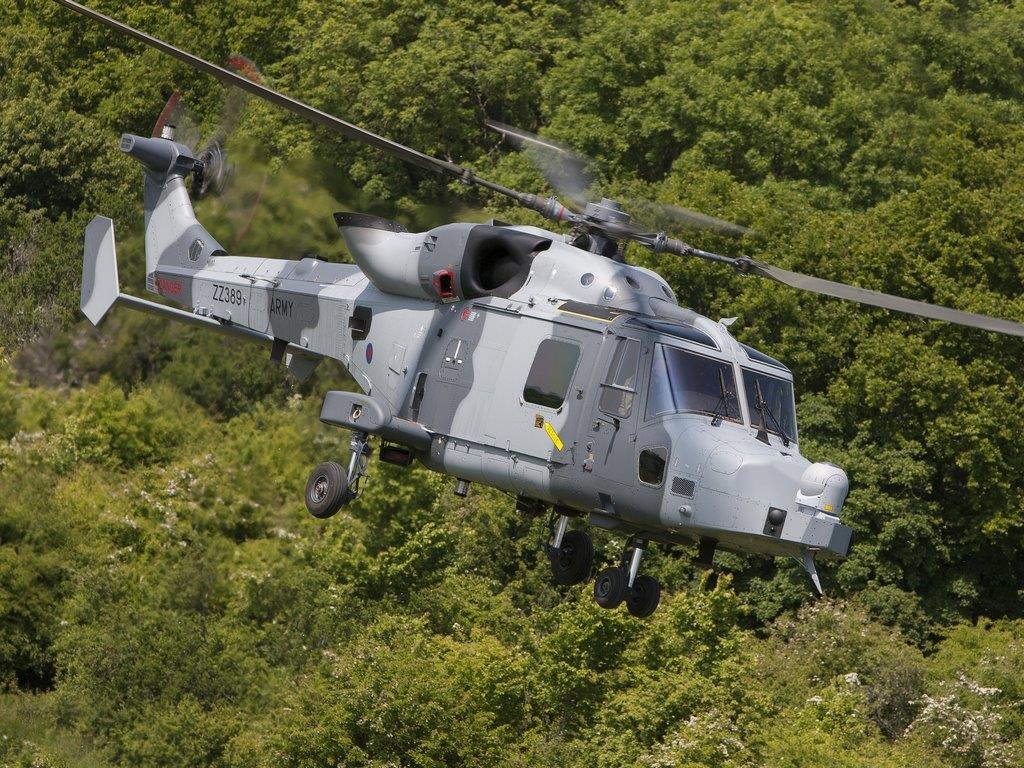
AW159 is the latest generation 6 tonne multi-role maritime helicopter, designed to operate from the smallest helicopter-capable ships, in the world’s harshest maritime environments of high sea state and associated deck motion conditions. The rotorcraft is an improved version of the Westland Super Lynx designed to serve in the battlefield utility, search and rescue and anti-surface warfare roles. In British service, common variants are being operated by both the Royal Navy and British Army to replace their aging Lynx Mk.7/8/9 rotorcraft. The AW159 has also been offered to several export customers.

Read more about the AW159 Wildcat here 

AW159 Wildcat

Date: 13/04/2017

Author: Sarka Humpolcova
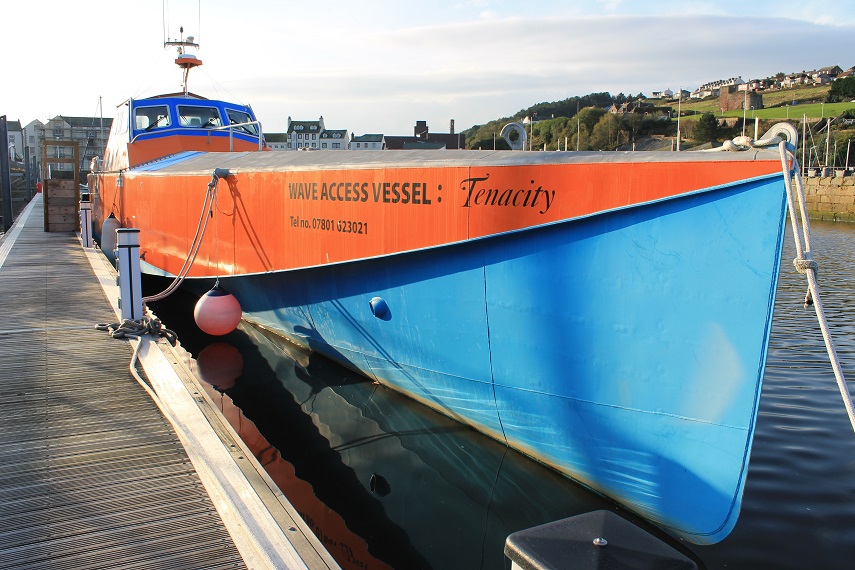
Rotec part of a groundbreaking vessel development: WaveAccess

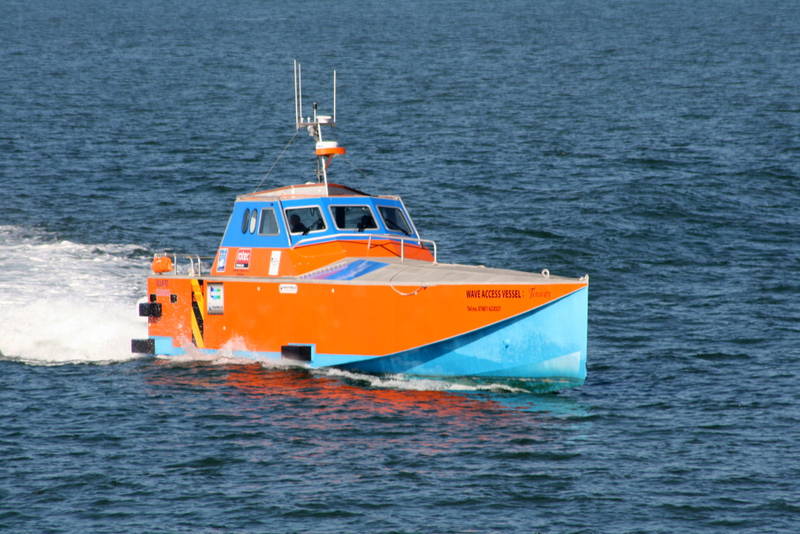
WaveAccess Tenacity vessel

In 2014, Rotec were invited to join Coastal Charters, a commercial maritime business based in West Cumbria, on the development of WaveAccess.

The project originally came as a response to an emerging trend within the offshore wind industry to move the construction further out into the sea.  The company anticipated the industry’s need for a reliable vessel that would be faster and able to cope with the challenging conditions further offshore.

The goal of the project was to design and build a rapid crew transfer vessel that would be faster, safer and cheaper to run than the vessels in use, resulting in the pilot vessel: Tenacity

The radical new design allows for transport of passengers and crew with dramatically reduced fuel consumption at twice the speed, while maintaining safety, minimising motion sickness and improving comfort at up to 40 kts in seas in excess of 2m. The vessel can be used for crew transfers in industries such as oil & gas, offshore wind and construction, search and rescue, patrol, medivac, safety boat, to name a few.

See video of the vessel in action on WaveAccess website or YouTube channel

WaveAccess Tenacity vessel

Thanks to  Rotec’s extensive marine experience and previous control systems the company had developed for use on multi-hull jet vessels in the wind-farm support vessel industry we were invited to participate in this innovative project.

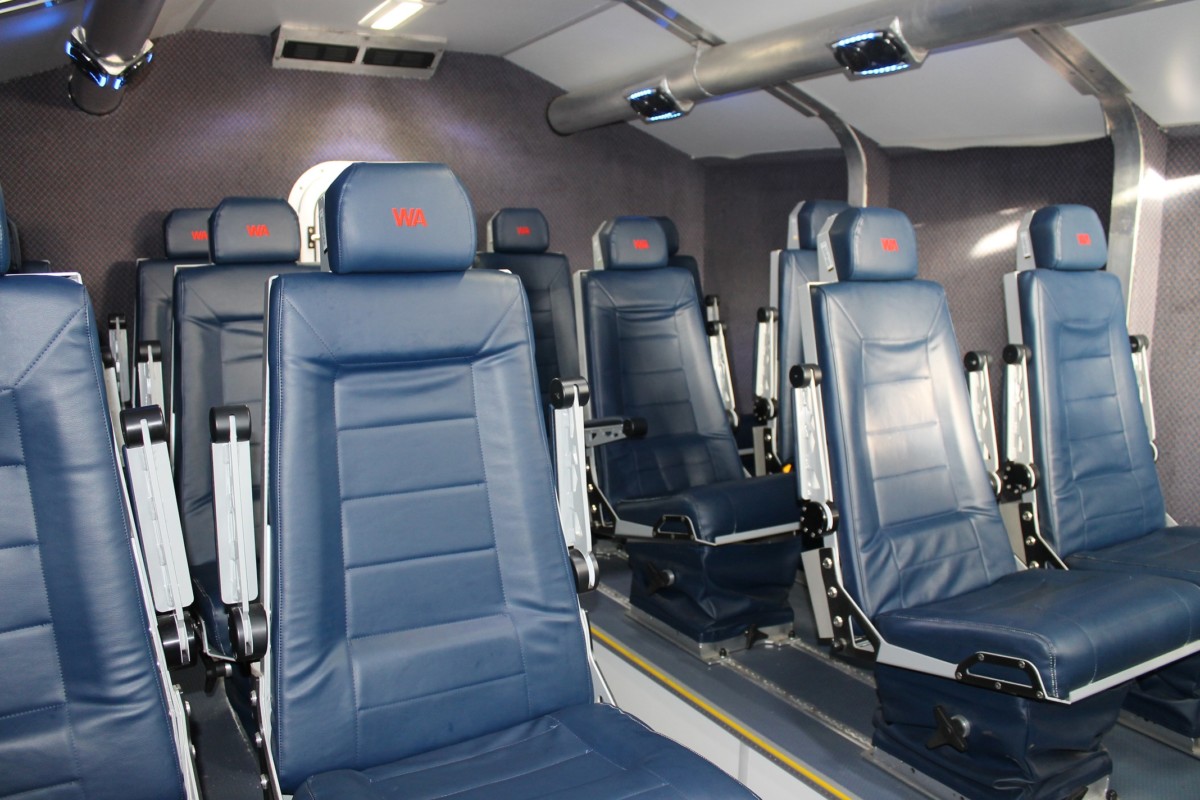
Vessel interiorAndy Rimes, Rotec’s Technical Director outlines the project “Together with the team at WaveAccess and other specialists we developed a bespoke control system for the twin waterjet propulsion system to provide fully automated synchronised control of the jets, clutches, thrusters and main engines both in normal forward cruising modes and reverse facing tower operations.”

The electronic system is based on Parker Hannifin’s Iqan mobile controller and associated products. “As well as the electronic supervisory control and monitoring system we also completely re- equipped the Italian Castoldi waterjets hydraulic drive and control systems to provide fully proportional control electronically controlled from the Iqan system. This provides a smoother, more controllable and economic drive system. “


CGG Veritas Oceanic Sirius

All design work and bench testing took place at Rotec’s premises in Taunton, with the installation, setup and sea trials carried out by Rotec engineers at Coastal Charters home in Cumbria.

It was a challenging, yet ultimately rewarding, experience to be involved with the development of a concept vessel such as this and we wish Stephen and all the crew and team at WaveAccess best of luck with their promotion of the successful and innovative vessel to the industry.

For more information please visit: www.waveaccess.co.uk


Author: Sarka Humpolcova

Date: 06/04/2017

Paul Prouse foreword for BFPDA

Rotec’s own Managing Director, Paul Prouse, was selected to hold a chairman position for the BFPDA (British Fluid Power Distributors Association) throughout 2016. In his 2017 foreword for the association’s publication ‘Yearbook & Members Directory’, Paul talks about two of the topics dominating the headlines of newspapers across the world; Brexit and Women in power…

“It is hard to put pen to paper and not talk about Brexit, the topic has dominated the headlines throughout 2016 cultivated continuously by everyone from small SMEs through to large corporate businesses trying to second guess what ‘best strategy’ for their business should take whilst the politicians arguably find themselves with a task to extract the UK from Europe that in reality, the net effect is unknown along with strategy or policy that was never scripted.

I will come back to Brexit. In the meantime, what has also been interesting throughout the year and in part has caused me to reflect on the situation within the trade members of BFPDA and our industry as a whole is the renewed emphasis on women within the industry. The global stage has been dominated by Mrs Merkel, Mrs May and the near miss of Mrs Clinton joining the ranks as respective leaders of 3 of the world’s wealthiest nations providing a healthy balance in tipping the scales that in part have been dominated by men.”

read the FULL ARTICLE